
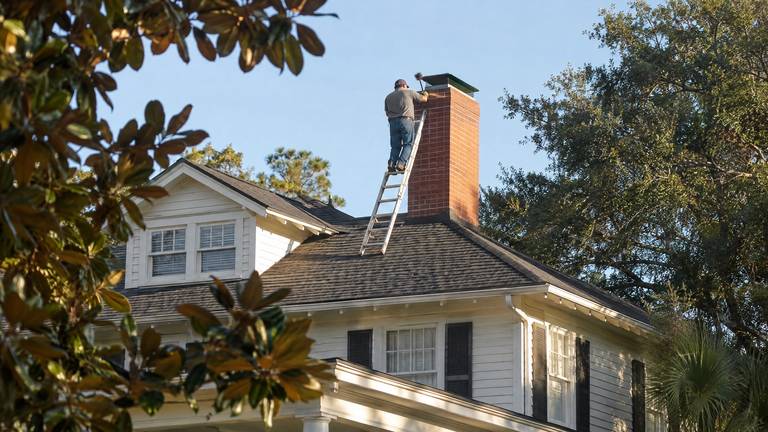
The inspection is free, even when you have decisions to make
How much is a chimney inspection with our team? The inspection is free, and the purpose of the visit is to understand the condition and discuss the next step. You do not need to choose a repair package before that conversation. Tell us what prompted the booking so the visit is organized around the concern rather than a guessed component.
A free inspection does not make every possible follow-up task free. Cleaning, materials, repair labor or work involving other parts of the building have their own scope. Ask for the recommended work and price in writing before approving it. Keeping the initial visit separate from those decisions makes a household maintenance plan easier to understand.
Give each concern its own line
A list might include loose material, a water mark and a fireplace that has not been used recently. Those observations may relate to one cause or to different conditions. Ask which finding explains each concern instead of treating the entire list as proof that the chimney needs replacing.
Write down the proposed work beside the issue it is intended to resolve. If one item remains uncertain, keep it marked as uncertain. A clear list is especially helpful when different household members attend the inspection and review the estimate later. They should be able to distinguish a confirmed defect from a question that still needs assessment.
The inspection discussion should not require you to become a technician. Ordinary questions about purpose, limits and sequence are enough to make the recommendation understandable.
Prioritize use restrictions before cosmetic preferences
Ask whether any finding means the fireplace should remain unused. Keep that answer separate from preferences about appearance or future improvements. A stain, an unattractive surface and a damaged working component are different concerns; their relative importance should come from the actual findings rather than the order in which they appear on an estimate.
If there is an uncontrolled fire, suspected chimney fire or carbon monoxide alarm, leave and call 911 from outside first. An immediate emergency is not a budgeting discussion. Once the emergency has been addressed, the later repair assessment can establish the appropriate next steps.
For routine decisions, ask what happens if an item is postponed. The answer should explain a practical limitation or dependency without inventing a deadline. Do not interpret an optional appearance improvement as a requirement to authorize everything at once.
Compare scope before comparing a chimney inspection price
Another provider may charge for a different assessment, include a separate service or describe a different deliverable. Compare the written scope before assuming that two offers purchase the same work. Our free policy is specific to our inspection; it is not a claim that every service sold by another company should be free.
Confirm the number of systems and the locations involved. Ask whether access is currently available and what happens if a relevant area cannot be reached. A lower quoted total does not resolve an excluded task, and a larger total does not automatically prove that more useful work is included.
When discussing fireplace inspection cost, identify whether the conversation concerns this free visit or another requested task. Use the same words in the booking and the estimate so the household is not comparing different things under one broad label. If a third party requests specific paperwork, share that requirement before booking so the proposed visit can be matched to it.
Questions for approving work in stages
- What finding does the first proposed job address, and does the fireplace need to remain unused while it is pending?
- Will completing that job make a later item easier to assess, or are the tasks independent of one another?
- Which materials and surrounding finishes are included? Ask about disposal and access where they materially affect the proposed work.
- If another contractor must act first, who will coordinate the handoff? Avoid scheduling a return visit before the necessary access or preceding work is ready.
- What remains outside the approved scope? Keep that list so completing the first job is not mistaken for resolving every concern.
Set a boundary around additional work
A repair can expose information that was not available at the first visit. Agree that additional work will be explained before it is approved. Ask what changed, why the existing scope does not cover it and whether the original plan still makes sense. That conversation is easier when the estimate already identifies the intended result.
Do not treat an allowance for uncertainty as permission for an undefined amount of work. Equally, do not assume that an assessment of accessible components guarantees the condition of every concealed area. The useful middle ground is a clear explanation of what was observed and what would require another decision.
Keep revised approvals with the original estimate. A short written change is easier to check later than a memory of several conversations during the workday.
Maintain the record after the repair
When work is complete, review what was done and any remaining limitation. Keep the service information with the appliance instructions and the date of the visit. NFPA's public heating guidance recommends annual professional maintenance; this routine planning is separate from deciding whether one particular repair is due now.
If you postpone a recommendation, note the reason and the next agreed step. That prevents an unresolved item from disappearing when the household changes contractors or another person takes responsibility for booking. It also makes a later estimate easier to compare with what was previously discussed.
Contact Seminole County Chimney at (645) 465-4122 for the free chimney inspection. Explain your main concern and any access constraint at the Seminole County property. We can discuss the findings and a written estimate for recommended work before you decide how to proceed.
Sources
- NFPA heating safety: Annual professional maintenance guidance.


