
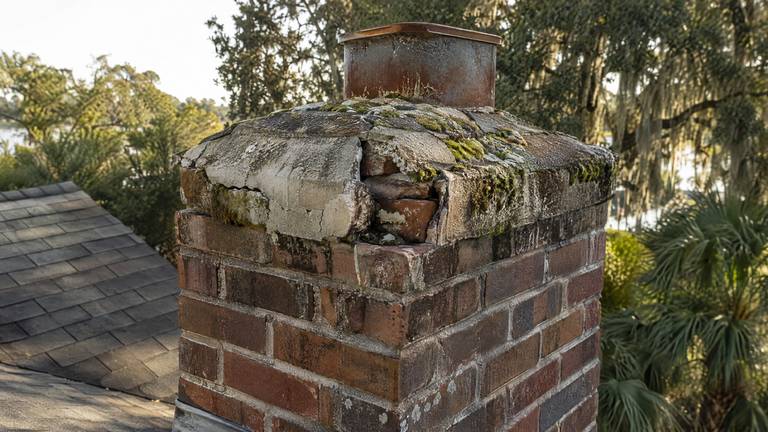
Start with what the last visit actually included
Find the service description rather than relying on a calendar entry that says “chimney done.” The visit may have included sweeping, an assessment, another task or a combination. Identify the affected fireplace and the work recorded. In a house with more than one opening, check whether the document covers the same system you are asking about now.
The difference between chimney sweep and inspection becomes useful when a concern remains afterward. One task removes deposits; the other evaluates condition and informs recommendations. Ask the provider to explain how those tasks related during your appointment. There is no need to assume either that nothing was checked or that every possible condition was settled merely because cleaning took place.
Keep the original complaint visible
Write the problem that prompted the booking in one sentence. Perhaps debris had appeared, smoke behavior had changed, or you wanted maintenance before using the fireplace again. Compare that concern with what the technician found and the work completed. If the connection is unclear, ask before purchasing another service.
A cleaner firebox is an observable result, but it may not answer the original question. Likewise, removal of deposits does not change the condition of a damaged component. The useful follow-up is specific: was the concern explained, what was addressed and what remains? This gives a later technician more information than a general complaint that the chimney “still seems wrong.”
Do not operate an uncertain fireplace to prove that the original symptom persists. Report the history and ask whether it should remain unused pending assessment.
When cleaning reveals another decision
A recommendation after sweeping should state the finding and the proposed response. Ask which component is involved and whether the issue affects use, requires more assessment or can be planned separately. The appearance of a recommendation does not automatically mean that the cleaning was unnecessary; the jobs can address different parts of the situation.
Keep deposit removal distinct from replacement or construction. A written estimate should identify the actual work being proposed, with a reason that connects it to the finding. If the explanation is only “the chimney needs work,” ask for a clearer scope before approval.
Where access limited the visit, request an account of what was completed and what could not be assessed. A limitation should remain visible in the record rather than being converted into a confident statement about areas that were not reached.
Questions for a follow-up conversation
- Which parts of the original service were completed, and did the technician assess the area related to the reported concern?
- Was an operating problem explained, or did the visit establish only that deposits were removed from the agreed area?
- Does an outstanding recommendation mean the fireplace should remain unused? Ask for a clear answer rather than inferring readiness from a clean appearance.
- What new information or access would make the next visit useful? Share existing paperwork instead of dismantling anything to collect evidence.
- Is the proposed next step additional cleaning, assessment or repair? Confirm the distinction and the price of the recommended work before it begins.
Avoid buying the same visit without a reason
Do I need a chimney sweep or inspection if the fireplace was recently serviced? Begin with the unresolved question and the previous findings. Repeating cleaning may be appropriate in some circumstances, but it should have a stated purpose. Another appointment should not simply repeat an incomplete description of the earlier one.
Tell the provider if a different company performed the previous work and share the paperwork you have. Do not ask a new technician to approve an unseen job from a receipt alone. Ask what can be assessed now and whether the earlier record changes the proposed scope.
If a disagreement exists, keep observations separate from assumptions about workmanship. The relevant facts are the work described, the present condition and the explanation of the next step. A second estimate should help clarify those facts rather than amplify uncertainty.
Routine maintenance still needs a plan
Resolving one complaint does not eliminate routine care. NFPA's heating safety guidance recommends annual professional maintenance. Discuss how the completed visit fits that routine and whether another follow-up was recommended for a specific issue. Those dates should not become interchangeable in the household record.
A future reminder can include the last cleaning date, the last assessment and any repair still awaiting a decision. If another person books next year's visit, that short history reduces the chance that an unresolved item is overlooked. It also makes it easier to explain a change in use without starting the story from scratch.
Keep appliance instructions with the service information. The maintenance record explains what happened at the property; the manual explains normal owner operation for that particular equipment. Neither document should be asked to answer a question outside its purpose.
Know when follow-up becomes urgent
For an uncontrolled fire, suspected chimney fire or a carbon monoxide alarm, get outside immediately and call 911. A prior cleaning does not change that emergency sequence. Keep the fireplace unused after an uncertain event until the appropriate assessment has been completed.
For a nonemergency concern, describe the condition without creating another test. Explain when it appeared relative to the completed visit and whether something else changed at the property. A short, accurate account is more useful than trying to reproduce smoke or dislodge debris before the technician arrives.
Book the assessment that answers the remaining question
Our inspection is free. Contact Seminole County Chimney at (645) 465-4122 and explain that the chimney was swept but you need an unresolved concern assessed. Bring the earlier service description and ask how the proposed visit differs from the completed work.
If the findings support further chimney sweep service, the scope can be discussed before approval. If the concern is a component condition or another issue, the recommendation should identify that instead. The goal is a clear next step for your Seminole County home, with completed work and outstanding decisions kept separate.
Sources
- NFPA heating safety: Annual professional chimney maintenance.

