
Begin with where and when water appears
Your observations can make chimney leak detection more useful. Tell us the first place you noticed moisture, whether it is new or recurring, and what the weather was doing at the time. A stain that remains visible when dry should be distinguished from fresh dampness. These details help guide the examination without turning a phone description into a diagnosis.
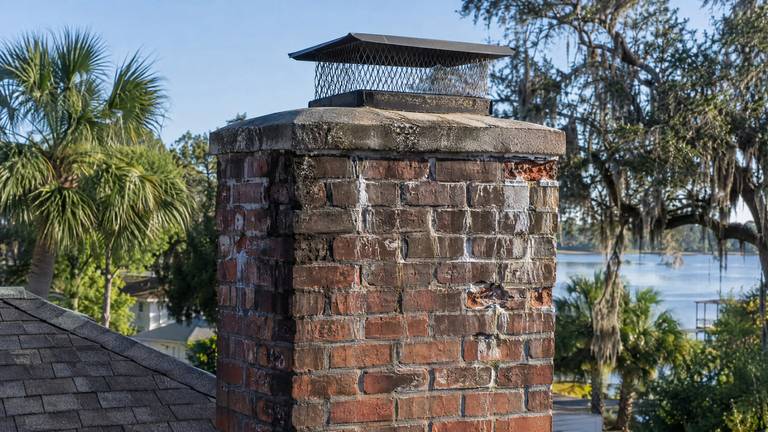
Water can travel before becoming visible indoors. The mark beside the fireplace may not sit directly below the exterior defect. We look at the accessible chimney top, body and roof connection in relation to the symptom. A visible defect deserves attention, but finding one does not establish that it is the only source of the leak.
Examine several possible entry paths
Rain can enter through an exposed opening, a failed top, deteriorated masonry or a roof junction that no longer directs water correctly. A framed chase has its own cover and wall details. Different systems need different repairs, so identifying the construction comes before selecting a product or method.
The assessment may also reveal a problem in neighboring roof material or another part of the building. We explain when the evidence points beyond the chimney work we are proposing. Leaking chimney repair should solve an identified condition, while a separate roof or wall issue needs its own response. Treating every stain near the chimney as a chimney-only defect can leave the actual entry point untouched.
Use testing only when it can answer a question
Some moisture problems are evident from inspection. Others need a more deliberate investigation because several components could be involved. When controlled water testing is appropriate, its purpose is to narrow an entry path under observed conditions. It should be planned so the results can be interpreted and the property protected.
A negative test does not reproduce every possible rain or wind condition. Nor does wetting a broad area all at once necessarily isolate the cause. We explain what the observation establishes and what remains uncertain. The value lies in distinguishing possible paths, not simply adding water until a stain appears somewhere inside.
Repair the component responsible
A chimney leak fix may involve a cap, crown, cover, masonry detail or flashing connection. Once the cause is supported, that component's condition determines the repair. A sound component with an isolated defect may need limited work; widespread deterioration can justify replacement. We explain the relevant option and its expected role in controlling the entry path.
The individual service pages describe chimney crown repair, chimney flashing repair and chase cover replacement. These are different jobs, not alternative names for a general reseal. If more than one defect contributes to the water problem, the repair plan should show how each is addressed.
Avoid trapping a problem behind a finish
A broad coat over wet or deteriorated material can conceal evidence while leaving the defect below it. Surface treatment should be chosen for a suitable substrate and a defined purpose. It cannot replace missing material, stabilize loose masonry or correct an incorrectly formed roof connection.
For sound porous masonry that needs water-repellent treatment, chimney waterproofing is a separate service. The surface condition and product instructions determine whether treatment is appropriate. We distinguish that preventive work from repairing an active chimney leak, especially where moisture may already have reached concealed material.
Plan for the inside of the house
Chimney water leak repair stops or reduces an entry path; it does not automatically restore stained paint, damaged drywall or other affected finishes. Tell us about soft material, persistent dampness or changes around the fireplace so the relevant area can be assessed. Drying and interior restoration may involve separate work.
Keep belongings away from wet surfaces if you can do so safely. Do not handle water around electrical equipment or enter an area where a ceiling or masonry looks unstable. If there is an immediate danger, use emergency assistance first. For an active but non-emergency leak, our 24/7 line can help arrange the next available response and discuss the information needed for the visit.
Review a recurring leak after earlier repairs
If the chimney has been leaking despite previous work, bring the earlier description of what was changed. Knowing whether the cap, top coating, flashing or interior finish was altered helps focus the new assessment. A repeat symptom may reflect an unfinished entry path, a different defect or deterioration since the earlier repair.
We inspect the current condition rather than assume an old diagnosis was correct or incorrect. It is useful to separate the date of the first stain from the date new moisture was last observed. That distinction can keep an old cosmetic mark from being treated as proof that a new repair failed, while still taking ongoing dampness seriously.
Book local help for water leaking from the chimney
Seminole County Chimney offers a free inspection, straightforward recommendations and a price before repair work begins. We are a family-owned business with a workmanship warranty on our work. Same-day appointments are available when scheduling and conditions allow.
Call (645) 465-4122 and describe where the water appears. We will arrange access to the relevant fireplace and exterior areas, discuss any investigation needed and explain the repair supported by the findings. After the job, report fresh moisture promptly with its location and timing. Continued observation is useful when weather-dependent symptoms cannot all be reproduced during one visit.


