
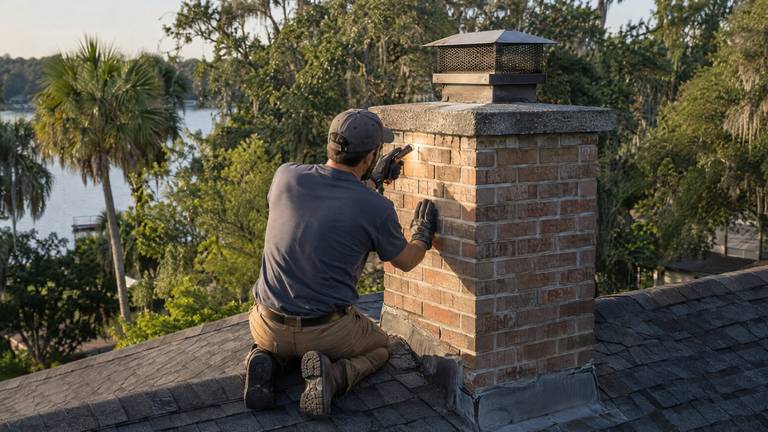
Read the actual finding before requesting a repair
If your home inspector flagged chimney concerns, begin with the wording in the report and the location it describes. A general comment, an observed defect and an inaccessible area are different starting points. Send the relevant information when arranging a chimney-specific visit so the appointment can focus on the outstanding question.
Avoid replacing that description with “chimney failed home inspection.” That phrase may hide the distinction between a condition needing repair and a condition requiring further assessment. A headline from a conversation is not enough to select a replacement component. Keep the original wording available for everyone involved in the next step.
Agree who controls access and approval
A buyer may want information while the seller still controls the property. Before booking, agree who will arrange entry, which rooms or exterior areas can be reached and who can authorize work. These are practical coordination questions; a chimney contractor should not be expected to resolve the parties' transaction arrangements.
The person opening the door may not be the person deciding on a repair. Make that clear at booking and identify the appropriate contact for findings. Otherwise a technician can complete an assessment while the next decision stalls because the explanation has not reached the responsible person.
Do not begin intrusive or alteration work simply because a visit was requested. The agreed scope and authorization should match the task. If another step becomes necessary, it should be explained before someone assumes that the first booking included it.
Ask what was observed and what remains unknown
A focused assessment should distinguish visible findings from limitations. Ask whether the area named in the report was reached, what was found and what further step is recommended. An inability to access something is not proof of a defect, but neither does it establish that the condition is satisfactory.
Keep the limitation in any handover notes. A later owner should not receive a simplified statement that everything was resolved when one part remained unassessed. Equally, an uncertainty should not be presented as a confirmed major repair without the supporting findings.
For home inspection chimney issues, the useful outcome is a clearer account of the condition and the next decision. Ask how the recommendation relates to the original report so a different reader can follow the reasoning without attending the visit.
Separate the estimate from the transaction decision
Our chimney inspection is free. Recommended repair work is discussed in a written estimate before approval. That estimate describes the proposed work; it is not a promise about negotiations, lender requirements, closing dates or a general approval of the property.
If a third party needs particular information, show the request before booking. Confirm whether the planned visit can address it. Do not assume that a routine service document meets an unspecified requirement simply because both documents concern the chimney.
The parties handling the transaction decide how to use the findings. Keep that decision separate from the technical scope so the repair recommendation does not become distorted by an assumed deadline or a desired negotiation result. A useful service record stays factual about the work and its limits.
Create a handover list with clear owners
- Reported concern: retain the original description and identify the fireplace or chimney involved, especially where a house has several systems.
- Access arrangement: name who will provide entry and whether any location is currently unavailable. Resolve the practical constraint before expecting a complete visit.
- Assessment outcome: distinguish observed findings, unresolved limitations and recommended next steps. Avoid reducing all three to a single pass-or-fail label.
- Repair authorization: record which work was approved and by whom. Additional work needs its own explanation when the scope changes.
- Completion information: keep the actual service description and any remaining restriction with the property records. Confirm separately what the recipient needs for the transaction.
When repair and handover dates do not align
If work cannot be completed before the intended handover, ask for the factual status of the job. Is assessment complete? Has a component been ordered? Is access pending? Which tasks remain? Those details are more useful than a vague promise that the chimney is “being handled.”
Do not pressure an assessment into a conclusion simply because a date is approaching. Some questions require another visit or information that is not yet available. The service explanation should preserve that uncertainty rather than imply a completed repair.
Ask who will communicate with the next responsible person if the property changes hands. Keep the appliance instructions and relevant service records available so the history is not lost. This is especially useful when the buyer has not used the fireplace and cannot describe its previous behavior.
Use restrictions belong in the record
If the system should remain unused pending repair or further assessment, make that instruction part of the handover conversation. Do not rely on the fireplace's appearance or a clean hearth to communicate readiness. A future occupant should understand the current restriction before planning a first use.
For an uncontrolled fire, suspected chimney fire or carbon monoxide alarm, leave and call 911 from outside first. A pending sale or a previous inspection does not change the emergency response. Routine assessment follows after the immediate situation has been addressed.
NFPA's annual maintenance guidance remains relevant after the transaction. Keep the date of completed work and the next recommended visit with the household records, rather than assuming that the home report replaces ongoing chimney care.
Arrange a useful next visit
Call (645) 465-4122 for a free chimney inspection at the Seminole County property. Explain that a home report raised a chimney question and provide the relevant wording, available access and the appropriate contact for decisions.
The appointment can then focus on the finding and a practical repair plan where needed. Keep any transaction requirement explicit and separate. This gives everyone a usable record of what was assessed, what was approved and what still needs attention after the keys change hands.
Sources
- NFPA heating safety: Annual maintenance planning for the new homeowner.


