Identify the chase top rather than the flue cap
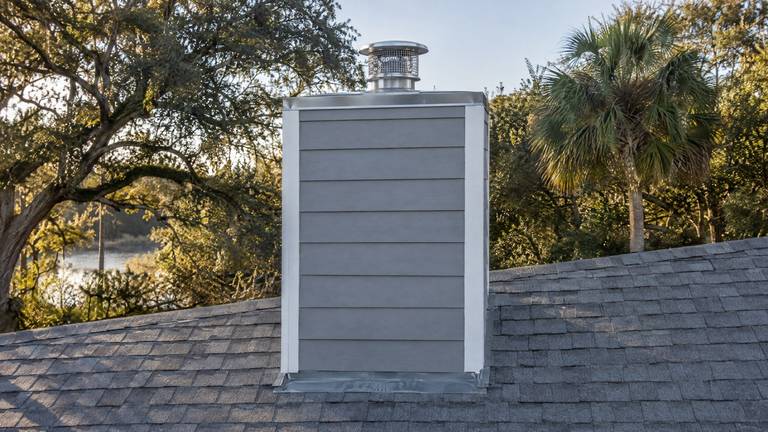
A chase is the enclosure surrounding a factory-built chimney or vent arrangement. Its cover protects the broad top around the pipe. The termination on the pipe performs a separate job, and both must suit the actual system. A small flue cap is not a substitute for the wide chase cover beneath it.
People may describe the broad top as a chimney chase cap. We confirm which component has failed before proposing chase cap replacement. If the concern is only the flue termination, chimney cap replacement addresses that work. Identifying the part prevents replacing a sound component while leaving the enclosure exposed to the same leak.
Measure the enclosure and every penetration
A custom chase cover must suit the enclosure's dimensions, edges and pipe arrangement. Measurements need to account for the actual installation rather than assume that the old cover was correctly sized. Openings and collars must correspond to the chimney system and its required clearances.
The cover also needs an appropriate water-shedding shape. A broad flat area that allows water to remain can contribute to deterioration. We explain how the replacement is formed for the enclosure and how the edge details protect the material below. The manufacturer requirements for the chimney or vent still govern the pipe and termination relationships.
Check what supports the old cover
Removing the metal may reveal damage in the top framing, sheathing or surrounding finish. A new cover should not simply be fixed over deteriorated support. The accessible enclosure is assessed before the work is presented as a metal-only replacement, with any further condition explained when it becomes visible.
For rotted or damaged construction below the top, chimney chase repair is a separate part of the project. The appropriate sequence repairs the support and weather detail before the new cover is completed. This makes the replacement useful protection rather than a fresh lid on an unresolved enclosure defect.
Compare repair with cover replacement
Chase cover repair can be considered for a limited defect where the rest of the metal and its arrangement remain serviceable. Extensive perforation, distortion or recurring failure may favor replacement. The decision should account for the surrounding material and the way water moves across the top.
A surface patch is not equivalent to replacing a broadly deteriorated cover. We explain the condition found and the purpose of the proposed method. If a temporary measure is appropriate while the permanent part is being prepared, it should be identified as temporary with its limitations understood. The final replacement still needs the correct fit, support and connections.
Select a suitable replacement material
A stainless steel chase cover is one available material choice for appropriate installations. The actual product, thickness, seams and fabrication details matter alongside the material name. A shiny new top does not establish correct fit or drainage by itself.
We discuss the proposed material and practical appearance before the part is ordered. The new cover may differ visibly from weathered metal or surrounding finishes. If other roof components or fittings meet the cover, their compatibility and connection need consideration. A replacement should be chosen as part of the enclosure assembly rather than as a standalone sheet of metal.
Coordinate the pipe and termination
The chimney pipe passing through the cover has requirements separate from the cover's weather protection. Clearance, support and termination details come from the actual system instructions. Changing the chase cover should not introduce an unapproved collar, obstruction or attachment to the pipe.
Tell us if the appliance or vent was replaced, or if another contractor is planning that work. The cover and the system it surrounds should be planned together where changes overlap. We identify any component requiring a different trade or service so the completed chase top does not conflict with the intended vent arrangement.
Do not remove the termination or attach a temporary tarp around an operating pipe yourself. Leave the appliance unused when the system is damaged or under repair, and follow the team's directions about when it can return to service.
Follow water damage beyond the visible top
A failed cover can allow moisture to reach concealed material before a stain appears indoors. Replacing the top addresses the identified entry detail but does not automatically restore the material already affected. We explain visible damage and any further assessment needed below the cover.
If moisture appears after work is completed, note where and when it occurs. Another entry path may be present, or the symptom may need additional investigation. A dry visit cannot reproduce every weather condition. Fresh observations help relate the completed repair to the current condition without assuming an old stain proves an active leak.
Book local chase cover work in Seminole County
Contact (645) 465-4122 with the symptoms you have noticed: loose metal, rust staining, noise or water around the enclosure. Our family-owned team starts with a free inspection, measures the relevant parts and explains the replacement plan. The price identifies the cover work and any separate enclosure repair before you authorize it.
The agreed installation has no hidden fees. Our workmanship warranty backs the installation we complete. At handover, we review the new top, the retained components and any remaining recommendation. Keep the product and work details available for future chimney maintenance.


