
Services
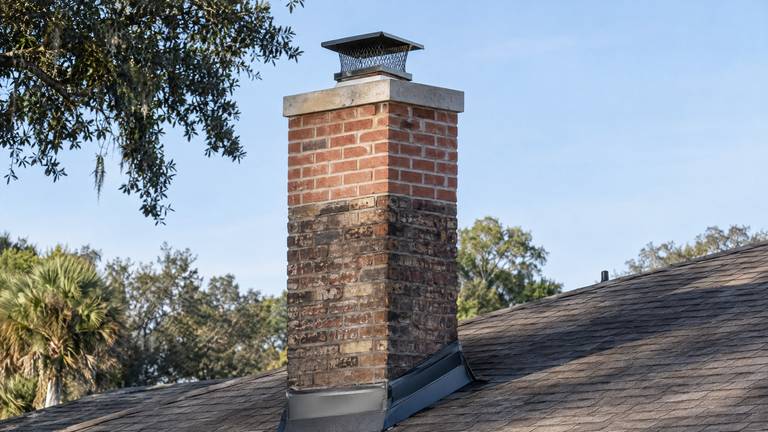
Our approach to chimney reconstruction in Astor Farms
The findings and code rules that shape a chimney rebuild in Astor Farms.
Choosing brick for the rebuilt section
Brick size decides whether the new courses line up with the old ones, so it comes first. Color and texture come next. Sound bricks from the section being taken down can sometimes be cleaned and reused, which helps the rebuilt top blend with the rest of the chimney.
New brick beside weathered brick will look different at first, and we say so before ordering. Brick industry guidance recommends judging replacement brick with samples or a mock-up, so you see the options against your own chimney and approve the choice before any is set.
Where the chimney is visible from the street, a wider search for a close match can be worth it, and we tell you how much time a special order is likely to add to the schedule.
Rebuilding after storm damage
High wind can topple a weakened chimney top or knock courses loose, and a falling section can damage the roof on its way down. The first job is making the area safe and keeping rain out of the open chimney and the roof around it.
Once it is safe, we assess how far the damage reaches and whether a partial rebuild will do. Keep the fireplace out of use until then, and keep people away from the area below the chimney. Our 24/7 emergency line takes storm calls, and the inspection that follows is free, with the rebuild priced in writing before any work begins.
Tell us when the damage happened and whether the fireplace was in use at the time. That history helps us judge whether heat or water has affected the masonry still standing.
Curing time before the first fire
New mortar and a freshly cast crown have to cure before the first fire heats them. Brick industry maintenance guidance calls for replaced masonry to be properly cured before it carries load.
We give you a date when the fireplace can be used again, and we ask you to wait until then even if the chimney looks finished. Lighting a fire too early can crack a new crown or weaken fresh joints. Weather can shift the schedule, and we let you know the same day if it does.
When you do light the first fire, keep it small and short. That gives the new masonry a gentle first warm-up before the chimney goes back into regular use.


