
Our Process
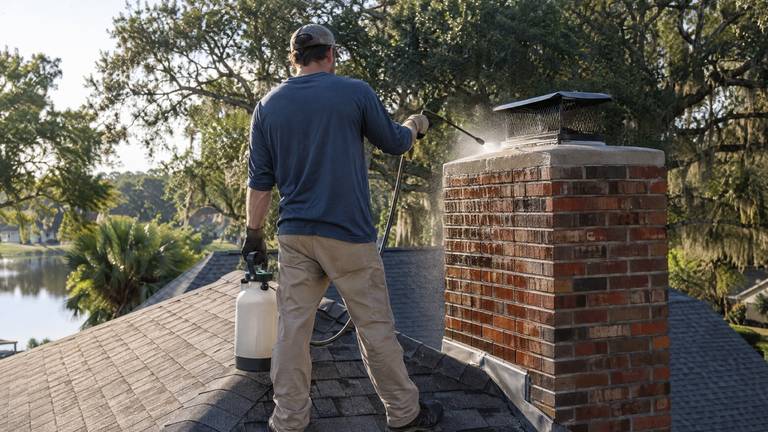
Waterproofing a chimney in Longwood, in detail
Planning for reapplication
No repellent is a permanent solution, and Technical Note 6A says they will require reapplication. It also warns that reapplying a coating too early may reduce the vapor permeability of the brickwork, which works against the reason for choosing a breathable product.
We keep a record of the product, the date and the area treated on your chimney, so the next treatment is timed on evidence instead of habit. When you call later, we check how the surface is performing before recommending another coat.
Why chimneys are good candidates for a repellent
Most well-built brickwork does not need a clear water repellent under normal exposure, according to Technical Note 6A. The same note lists chimneys, along with parapets and barrier walls, as brickwork that is particularly vulnerable to water absorption and where a repellent can be useful.
A chimney stands above the roof with every face exposed and no eaves to shelter it. That is why a breathable repellent can earn its place on a sound chimney in Longwood, and why we still check the repairs first. Sound, absorbent brick gains the most from a treatment, while open joints need masonry work before any product.
Wind-driven rain and a treated chimney
Sideways rain in a storm tests every face of a chimney. Technical Note 6A notes that a penetrating repellent's effectiveness under wind-driven rain is limited, and that it seldom stops water entering through wider cracks, which is one more reason cracks are repaired before treatment.
The Atlantic hurricane season runs from June 1 to November 30. An inspection booked early in the year gives time to repair and treat your Longwood chimney before the season, on a day dry enough for a proper application.
Chimney surfaces that stay untreated
Some parts of a chimney should not get a masonry repellent. One manufacturer's instructions rule out asphalt-based materials and painted or glazed brick, and describes the product for exterior, above-grade masonry, which leaves out the flue lining and the metal flashing.
We mask what should stay untreated and treat only the surfaces the product is made for. If the cap, flashing or crown needs work, that is quoted as a repair on its own line.


